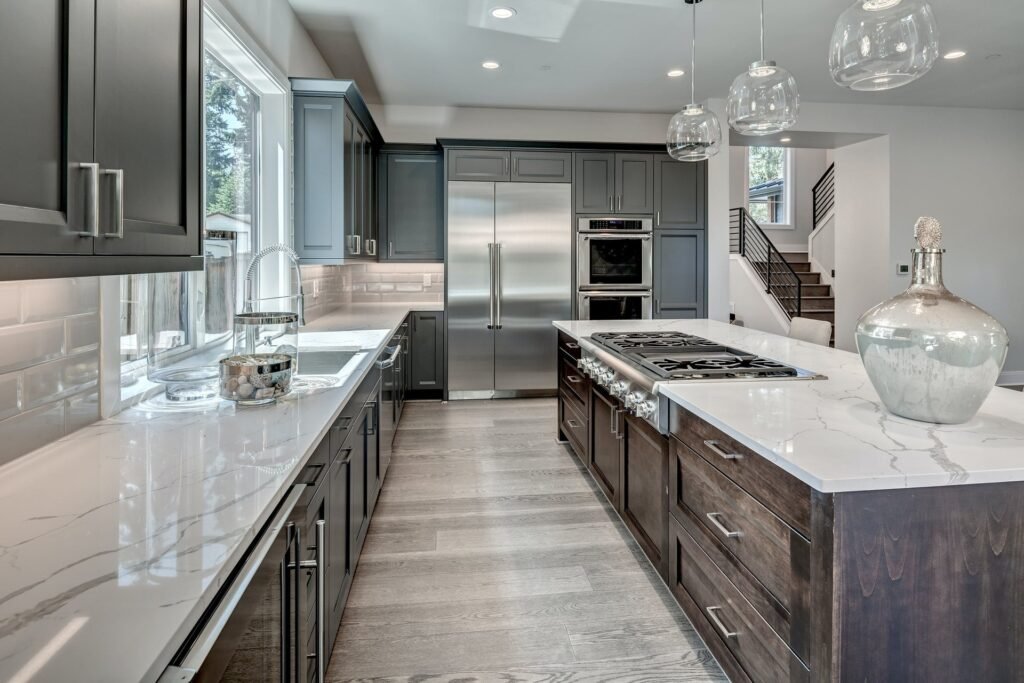
Building a new home is an exciting milestone, whether you’re a first-time buyer or looking to upgrade your living space. A new home offers the chance to create a property tailored to your lifestyle, preferences, and needs. Unlike purchasing an existing home, new construction allows for customization, energy efficiency, and modern design features. However, navigating the process of new home construction can be complex, and understanding the steps involved is essential for making informed decisions.
Understanding New Home Construction
New home construction refers to the process of building a house from the ground up, starting with an empty plot of land and finishing with a move-in-ready residence. This process differs from home renovation or remodeling because it involves creating the structure, layout, and systems from scratch. The key advantage of new construction is the ability to personalize your home with modern layouts, energy-efficient materials, and the latest technology.
Benefits of Building a New Home
- Customization: One of the most significant advantages of new construction is the ability to customize the home to your preferences. From floor plans and room sizes to interior finishes and exterior design, every detail can reflect your personal style.
- Energy Efficiency: New homes are built using modern insulation, windows, HVAC systems, and energy-efficient appliances. This can significantly reduce utility costs while minimizing your environmental footprint.
- Low Maintenance: Unlike older homes, new construction comes with new plumbing, electrical systems, and roofing, reducing the need for immediate repairs or upgrades.
- Warranty Protection: Most builders offer warranties on new homes, covering structural defects, materials, and major systems. This adds peace of mind for homeowners.
- Modern Design and Technology: New homes incorporate contemporary designs, smart home technology, open layouts, and modern finishes that meet today’s lifestyle demands.
The Steps Involved in New Home Construction
1. Planning and Budgeting
Before breaking ground, it is crucial to plan your new home construction carefully. This involves:
- Budgeting: Determine your overall budget, including land costs, construction expenses, permits, and interior finishes. It’s wise to include a contingency fund for unexpected expenses.
- Choosing a Location: Select a plot of land that fits your lifestyle, considering factors like schools, transportation, community amenities, and future development plans.
- Defining Requirements: Decide on the number of bedrooms, bathrooms, layout preferences, and any specific design features you want in your home.
2. Hiring Professionals
Building a home requires a team of professionals, including:
- Architects: They design the blueprint and ensure your home is functional, aesthetic, and structurally sound.
- Builders/Contractors: These professionals manage the construction process, hire subcontractors, and ensure the project is completed on time and within budget.
- Engineers: Structural, civil, and mechanical engineers may be needed to guarantee the safety and compliance of your home.
3. Designing Your Home
The design phase involves translating your ideas into detailed plans. Key aspects include:
- Floor Plans: Decide on the layout of each floor, room sizes, and how spaces connect.
- Exterior Design: Choose materials, roof styles, siding, and color palettes for your home’s façade.
- Interior Finishes: Select flooring, cabinetry, countertops, fixtures, lighting, and paint colors.
- Sustainability Features: Consider energy-efficient appliances, solar panels, water-saving fixtures, and high-performance insulation.
4. Securing Permits and Approvals
Before construction begins, you must obtain permits and approvals from local authorities. These may include:
- Building permits
- Zoning approvals
- Environmental clearances
- Utility connections
Failing to acquire proper permits can result in fines, construction delays, or even legal complications.
5. Site Preparation and Foundation
Construction begins with preparing the land:
- Clearing and Grading: Remove trees, rocks, and debris, and level the land for construction.
- Foundation Construction: Lay the foundation, which can be a slab, crawl space, or basement, depending on your home design and soil conditions.
6. Framing and Structural Work
Framing is the skeleton of the house and involves:
- Constructing walls, floors, and roof structures
- Installing support beams and trusses
- Ensuring alignment, level, and structural stability
7. Mechanical, Electrical, and Plumbing (MEP) Systems
Once the frame is complete, contractors install essential systems:
- Plumbing: Pipes, water lines, drainage, and fixtures
- Electrical: Wiring, outlets, switches, and main panels
- HVAC: Heating, ventilation, and air conditioning systems
These systems are inspected to ensure compliance with building codes.
8. Interior and Exterior Finishing
The finishing stage brings your home to life:
- Exterior Work: Siding, roofing, windows, doors, and landscaping
- Interior Work: Drywall, painting, flooring, cabinetry, countertops, and lighting installation
This phase is where your home truly reflects your style and personality.
9. Final Inspection and Move-In
Before moving in, your home undergoes a final inspection to verify that it meets all building codes and quality standards. Once approved, you can obtain a certificate of occupancy and officially move into your new home.
Tips for a Smooth New Home Construction
- Choose a Reputable Builder: Research builders’ experience, previous projects, and customer reviews to ensure quality and reliability.
- Maintain Clear Communication: Stay in regular contact with your builder and other professionals to address issues promptly.
- Plan for the Future: Think about potential expansions, energy-saving upgrades, and resale value when designing your home.
- Document Everything: Keep contracts, design plans, permits, and warranties organized for reference throughout the construction process.
- Be Patient and Flexible: Construction projects can face delays due to weather, supply shortages, or inspections. Flexibility and patience will help you manage stress during the process.
Conclusion
New home construction is a journey that requires careful planning, attention to detail, and collaboration with skilled professionals. The reward is a personalized, energy-efficient, and low-maintenance home that suits your lifestyle perfectly. By understanding the process, budgeting wisely, and making informed decisions, you can ensure a smooth and successful construction experience. Building a new home is not just about creating a living space—it’s about crafting a place where memories are made, comfort is maximized, and your vision comes to life.